
Our Services
Discover our range of financial education services designed to help you budget, save, invest, and achieve long-term stability. Empower yourself with the knowledge to make smart financial decisions today!
Life Insurance


Long-Term Care
Insurance
As you age, the risk of needing help with daily activities increases. LTC insurance is designed to protect your savings and provide financial support for extended care services when you need them.
401K Roll-over
A 401(k) is a powerful tool to help you build a secure retirement. Whether you keep your current plan or decide to roll over your savings when you change jobs or retire, planning ahead is key.

Financial Education
Workshops

Be a part of our mission!
Make a difference by helping families secure their financial future while building your own success! We provide training, support, and a rewarding path in the financial industry. No experience needed, just a passion for helping others
Ready to take the next step?
Term Life Insurance: A Simple Guide
Term life insurance is a type of life insurance that provides coverage for a set period, known as the “term.” If the policyholder passes away during the term, their beneficiaries receive a death benefit. Unlike permanent life insurance, term policies do not build cash value.
Below is a comparative table outlining several common types of term life insurance along with their key features, benefits, and considerations:
| Policy Type | Key Features | Benefits | Considerations |
|---|---|---|---|
| Level Term Life | Fixed premium and death benefit throughout the term (e.g., 10, 20, or 30 years). | Predictable, stable cost and coverage straightforward option. | Premiums may be higher compared to policies with decreasing benefits. |
| Decreasing Term Life | Death benefit declines over time (often aligned with decreasing liabilities such as a mortgage) while premiums remain constant | More affordable; well-suited for debt or mortgage coverage. | Not ideal for long-term income replacement since the benefit diminishes. |
| Renewable Term Life | Offers the option to renew coverage at the end of the term without additional medical underwriting; premiums may increase with each renewal. | Guaranteed continued coverage regardless of changes in health | Costs can become substantially higher on renewal; the death benefit remains constant. |
| Convertible Term Life | Provides an option to convert to a permanent policy during a specified period without a new medical exam. | Flexibility to switch to permanent coverage if health declines. | Conversion period is limited; converted policy premiums are generally higher. |
| Return of Premium (ROP) Term Life | Returns all or part of the premiums paid if you outlive the policy term; usually maintains a level premium. | Acts as a “forced savings” feature; you recover premiums if no claim is made. | Significantly higher premiums; typically, the returned premium does not accrue interest. |
Each type is designed to meet different financial needs and risk profiles. Level term is excellent for predictable, long-term coverage, while decreasing term can be a cost-effective solution for covering diminishing liabilities. Renewable and convertible options provide added flexibility for those who might want to secure ongoing or permanent coverage in the future. Lastly, return of premium policies appeal to those interested in receiving a premium refund if they outlive the term, despite the higher cost.
Some term life insurance policies offer living benefits, which allow policyholders to access a portion of their death benefit while still alive under certain conditions. Below is a comparative table outlining common living benefit riders that can be added to a term life insurance policy, along with a description, the typical trigger condition, and the key benefits:
| Living Benefit Rider | Description | Trigger Condition | Key Benefit |
|---|---|---|---|
| Accelerated Death Benefit | Access a portion of the death benefit while still living. | Terminal illness diagnosis with a limited life expectancy (e.g., 12- 24 months). | Provides immediate funds for medical care, hospice, or final expenses. |
| Critical Illness Rider | Offers a lump sum payment upon diagnosis of a specified critical ill ness. | Diagnosis of a covered critical illness (e.g., heart attack, stroke, certain cancers). | Helps cover treatment costs and related expenses during recovery. |
| Chron ic Illness Rider | Provides funds when a chronic condition impairs daily living activities. | Diagnosis of a chronic illness that limits everyday functions. | Supports ongoing care and necessary lifestyle adjustments. |
Note: Eligibility criteria, benefit amounts, and specific terms may vary by insurer and policy. It’s advisable to review policy details and consult with a financial advisor to ensure the chosen riders best meet your needs.
Take Action Today!
Protect your loved ones by securing term life insurance that fits your needs. Get a quote today and ensure financial peace of mind for the future!
Permanent Life Insurance: A Simple Guide
Permanent life insurance provides lifelong coverage with a death benefit and a cash value component that grows over time. It is designed to provide financial security for beneficiaries while also offering potential wealth-building benefits through accumulated cash value.
| Feature | Whole Life Insurance | Universal Life Insurance | Indexed Universal Life (IUL) | Variable Universal Life (VUL) | Guaranteed Universal Life (GUL) |
|---|---|---|---|---|---|
| Death Benefit | Guaranteed | Adjustable | Adjustable | Adjustable | Guaranteed |
| Coverage Duration | Lifetime | Lifetime | Lifetime | Lifetime | Lifetime |
| Premiums | Fixed premiums | Flexible premiums | Flexible premiums | Flexible premiums | Lower fixed premiums |
| Cash Value | Guaranteed growth | Flexible growth | Index-linked growth | Market-linked growth | Minimal growth |
| Growth Potential | Stable and predictable | Moderate growth | Market-indexed growth | Higher risk and reward | Minimal growth |
| Loan/Withdrawal Option | Yes | Yes | Yes | Yes | Limited |
| Market Sensitivity | No | Some exposure | Index-linked | High exposure | No |
| Long-Term Care Rider Available? | Yes | Yes | Yes | Yes | Yes |
Many permanent life insurance policies offer additional riders that enhance coverage and provide extra benefits. These include:
| Rider | Description |
|---|---|
| Long-Term Care (LTC) Rider | Provides financial support for nursing home care, assisted living, or home healthcare services by allowing early access to the death benefit. |
| Accelerated Death Benefit Rider | Allows policyholders to access a portion of their death benefit if diagnosed with a terminal illness. |
| Waiver of Premium Rider | Waives premium payments if the policyholder becomes disabled and unable to work. |
| Disability Income Rider | Provides a monthly income if the insured becomes disabled and cannot earn an income. |
| Guaranteed Insurability Rider | Allows the purchase of additional coverage at specified times without requiring a medical exam. |
| Child Term Rider | Provides a small death benefit if a covered child passes away. |
| Accidental Death Benefit Rider | Pays an additional benefit if the insured’s death is caused by an accident. |
Final Expense Insurance: A Quick Overview
Final Expense Insurance is a type of whole life insurance designed to cover end-of-life costs, ensuring that loved ones are not burdened with financial stress.
This insurance provides peace of mind by ensuring all final expenses are covered without financial strain on loved ones.
| Feature | Description |
|---|---|
| Smaller Coverage Amounts | Typically ranges from $5,000 to $50,000 |
| Affordable Premiums | Fixed payments that never increase |
| No Medical Exam Required | Many policies offer guaranteed approval |
| Lifelong Coverage | Remains active as long as premiums are paid |
| Quick Payout | Beneficiaries receive funds promptly for funeral expenses |
| Use | Description |
|---|---|
| Funeral and Burial Costs | Covers expenses related to funerals and burials |
| Medical Bills and Hospice Care | Helps pay for final medical or hospice care expenses |
| Outstanding Debts | Assists in settling any remaining debts |
| Family Support During Bereavement | Provides financial assistance for family needs |
Take Action Today!
Don’t wait to secure your financial future. Explore your Permanent life insurance options and find a policy that fits your needs. Contact us today to get started!
Whole Life Insurance: A Brief Overview
Whole life insurance is a type of permanent life insurance that provides lifetime coverage—as long as you pay your premiums. It not only offers a guaranteed death benefit for your beneficiaries but also builds cash value over time, which grows tax-deferred.
Whole life insurance is ideal for individuals who want:
| Type | Description |
|---|---|
| Traditional Whole Life Insurance | Offers steady, predictable cash value growth with fixed premiums and a guaranteed death benefit. |
| Decreasing Participating (Dividend-Paying) Whole Life Insurance | Provides potential dividends that can be used to buy additional coverage, reduce premiums, or boost cash value. |
| Non-Participating Whole Life Insurance | Similar to traditional whole life but without dividend payments, often available at a lower cost. |
| Limited Pay Whole Life Insurance | Requires premium payments for a set number of years (e.g., 10, 20, or 30), after which the policy is fully paid-up for life. |
| Single-Premium Whole Life Insurance | Funded with a one-time lump sum payment, which immediately starts building cash value. |
| Modified Whole Life Insurance | Features lower initial premiums that increase after a few years, ideal for those expecting income growth. |
| Guaranteed Issue Whole Life Insurance | Designed for individuals with health challenges, offering coverage without a medical exam, typically with a lower death benefit. |
Whole life insurance is a versatile financial tool that provides both protection and a savings element, making it a strong candidate for individuals with long-term financial goals.
Take Action Today!
Don’t wait to secure your financial future. Explore your Whole life insurance options and find a policy that fits your needs. Contact us today to get started!
Universal Life Insurance: Overview
Universal life insurance is a type of permanent life insurance that offers lifetime coverage with flexible premiums and an accumulating cash value component. This policy allows you to adjust your premium payments and death benefit amounts over time to suit your financial situation. It’s ideal for individuals who desire both lifelong protection and the flexibility to adapt their coverage as their needs change.
| Type | Description |
|---|---|
| Traditional (Fixed) Universal Life | Offers flexible premium payments with cash value growth at a set interest rate, providing a balance of stability and adaptability. |
| Indexed Universal Life (IUL) | Links cash value growth to a market index (e.g., S&P 500) with a guaranteed minimum rate, allowing for higher growth potential with downside protection. |
| Variable Universal Life (VUL) | Allows policyholders to invest cash value in subaccounts similar to mutual funds, offering higher growth potential but with increased market risk. |
| Guaranteed Universal Life (GUL) | Focuses on providing a guaranteed death benefit with lower fixed premiums, offering minimal cash value growth; ideal for those primarily seeking lifelong coverage. |
Take Action Today!
Don’t wait to secure your financial future. Explore your Universal life insurance options and find a policy that fits your needs. Contact us today to get started!
Long Term Care Insurance: A Brief Overview
Purpose:
Long term care (LTC) insurance helps cover the costs of care services that many traditional health insurance plans and Medicare do not fully cover. These services may include help with everyday tasks like bathing, dressing, or eating, and care can be provided at home, in assisted living facilities, or in nursing homes.
Why It Matters:
As you age, the risk of needing help with daily activities increases. LTC insurance is designed to protect your savings and provide financial support for extended care services when you need them.
Benefit Payments:
The policy pays out a set amount—either daily or monthly—when you qualify for care. This qualification is generally based on your inability to perform basic activities of daily living or cognitive decline.
Waiting Period:
Many policies include an elimination (waiting) period. This is a short time after you begin needing care before benefits start to pay out, which helps keep the premium costs lower.
- Traditional LTC Insurance:
This plan only covers long term care. If you end up not needing care, you don’t get any benefits back. It usually costs a lot and can become more expensive over time. - Life Insurance + LTC (Hybrid):
This plan gives you both long term care coverage and life insurance. If you don’t need care, your family still gets a payout when you pass away. It costs more at the start but the payments usually stay the same. - Annuity + LTC (Hybrid):
This plan is designed for people thinking about retirement. It covers long term care, but if you don’t use it, you still get a regular income during retirement. Payments can be made in one go or in regular installments.
Below is easy-to-read table should help you compare the options and decide which type of long term care insurance might be the best fit for your needs.
| Feature | Traditional LTC Insurance | Life Insurance + LTC (Hybrid) | Annuity + LTC (Hybrid) |
|---|---|---|---|
| What It Is | A plan that pays for long term care costs. It’s “use it or lose it” – if you don’t need care, you don’t get any money back. | A plan that combines life insurance with long term care. If you never need care, your family receives a death benefit. | A plan that mixes a retirement income product with long term care. If you don’t end up needing care, you still get regular income payments. |
| How Long It Pays | Pays for care for a fixed time (for example, a set number of years or until a limit is reached). | Pays for care for a set time, plus the life insurance part continues for your loved ones. | Pays for care for a fixed time; if you don’t need care, the annuity continues to support your retirement income. |
| Cost | Generally expensive and costs may increase over time. | Usually has a higher upfront cost but tends to stay steady over time. | Often involves a one-time payment or regular contributions that are part of your retirement plan. |
| When It Pays | Starts paying when you need help with everyday tasks (like bathing or dressing). Remember: if you never need care, you get nothing back. | Pays when you need help, and if not used, it gives a benefit to your family when you pass away. | Pays when you need care, or if you don’t need it, you get regular income for retirement. |
| How You Pay | You can choose to pay monthly, quarterly, or yearly. | Options include paying in one lump sum or in smaller payments over time. | Typically paid as a single lump sum or through regular contributions linked to your retirement savings. |
| Who It’s Good For | People who want a plan that only covers long term care costs. | People who want long term care coverage and also want a life insurance benefit for their family. | People planning for retirement who also want some help covering long term care costs. |
Cost & Premiums:
Premiums can be high and may increase over time, especially with traditional LTC policies. Hybrid policies may have higher upfront costs but can offer added benefits that continue even if you do not use long-term care.
Coverage Details:
Look at the length of time benefits are paid (the benefit duration), the amount you receive, and any waiting periods before payments begin.
Payment Options:
Premiums can often be paid monthly, quarterly, or annually. Some policies offer a one-time lump sum payment option.
Your Personal Situation:
Consider your health, family history, and financial planning for retirement. Think about whether you want a policy that only covers long term care or one that also provides benefits like a death benefit or retirement income if you never need care.
Conclusion
Long-term care insurance can be a valuable part of your financial planning, helping protect your savings from the high costs of extended care. Whether you choose a traditional policy or a hybrid option, it’s important to review the details carefully. Taking the time to understand the policy structure, costs, and benefits will help you decide if it’s the right fit for your needs.
Before making a decision, consider consulting with a financial advisor or insurance specialist who can tailor the information to your personal situation. This balanced approach ensures you are informed without feeling pressured to buy.
Understanding the 401(k): Your Path to a Secure Retirement
A 401(k) is an employer-sponsored retirement savings plan that lets you set aside a portion of your paycheck before taxes. This not only helps you save but also lowers your taxable income today. Planning for retirement can seem daunting, but a 401(k) plan offers a simple and effective way to save for your future.
Contributions:
You decide how much money to contribute from each paycheck. Many employers sweeten the deal by matching a percentage of your contributions, which is like getting extra money for your retirement.
Tax Benefits:
Because contributions are made with pre-tax dollars, your current taxable income is reduced. Your savings grow tax-deferred until you withdraw them, usually during retirement when you may be in a lower tax bracket.
Investment Choices:
Your money is invested in a variety of funds selected by your employer, allowing you to build a diversified portfolio that suits your risk comfort and retirement timeline.
When you leave a job or retire, you have several options for your 401(k). The table below is an easy-to-understand description of your options.
| Option | What It Means | Good Points | Drawbacks | Our Opinion |
|---|---|---|---|---|
| Transfer to New Job’s Plan | Move your 401(k) into your new employer’s retirement plan. | Keeps your savings in one place; continues to grow tax-deferred. | May offer fewer choices; you must follow the new plan’s rules. | Great if your new job’s plan offers options that suit your needs. |
| Move to an IRA or Annuity | Roll over your 401(k) into an IRA for more investment choices or an annuity for a steady income in retirement. | IRA: More control and many investment options. Annuity: Provides a predictable income later. | IRA: Requires you to manage your investments yourself. Annuity: Less flexible if plans change. | Consider if you want more control or a steady paycheck during retirement. |
| Keep It With Your Old Employer | Leave your money in the 401(k) plan from your previous job. | Your savings can continue to grow without moving anything. | Managing more than one account can be confusing; may limit your overall investment choices. | Good if you’re satisfied with the plan, but consolidating may simplify things. |
| Take the Money Now (Cash Out) | Withdraw your money instead of keeping it in a retirement account. | Gives you immediate access to cash. | You lose the benefits of tax-deferred growth and may owe taxes or penalties. | Usually not a smart move unless you really need cash urgently. |
Take Charge of Your Future
A 401(k) is a powerful tool to help you build a secure retirement. Whether you keep your current plan or decide to roll over your savings when you change jobs or retire, planning ahead is key.
Ready to secure your retirement?
Review your current 401(k) plan, explore your rollover options—including IRAs and annuities—and consider speaking with a financial advisor. Take action today to build a strong foundation for your future
Unlocking Your Future:
The Power of Financial Education
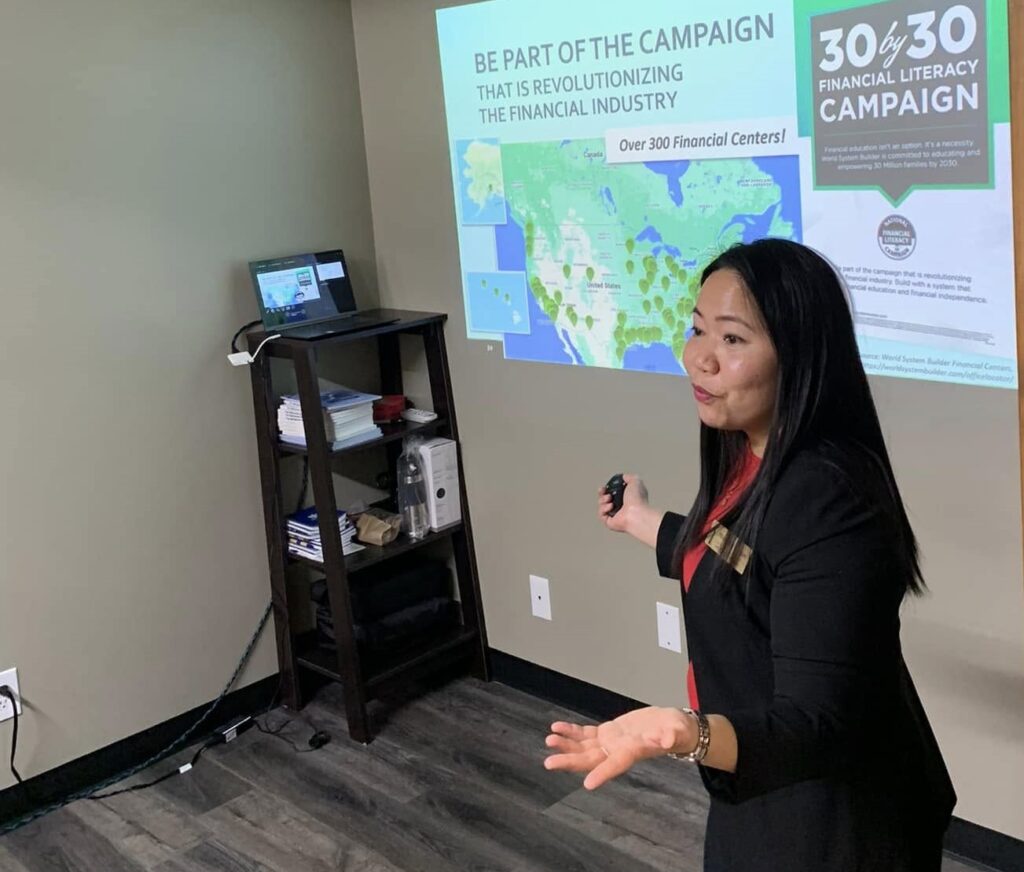
Have you ever felt overwhelmed by financial worries? You’re not alone. Money concerns influence our feelings, confidence, and the vision we have for our lives and our loved ones. Our free financial education workshop is designed not just to teach you the numbers but to help you connect with the deeper reasons behind smart money management.



Why Financial Education Matters
What to Expect from Our Workshop
Clear, Real-World Strategies
No complicated jargon—just practical advice to help you master your finances.
Interactive Learning
Engage with experts and peers who know that financial well-being touches every part of life.
A Supportive Community:
Join others who are taking control of their financial destiny. Together, we build a network of support and inspiration.
Ready to transform your life?
Join our free financial education workshops and take the first step toward lasting financial security. Contact us and start building a future where money works for you!
Be a part of our mission
Empower Your Future: Join Our Team and Transform Lives
Are you passionate about helping others overcome financial challenges? If you’re looking for a career where you can make a real difference, we invite you to join our team. In today’s fast-paced world, many people struggle with money concerns that keep them from pursuing their dreams. We believe that financial knowledge can change lives—and you can be part of that change.
A Journey Worth Taking
Imagine waking up every day knowing that you’re making a difference. Our team is dedicated to providing practical financial education, helping everyday people gain control over their money and build a secure future. By joining us, you’ll be at the forefront of empowering individuals to break free from the cycle of financial stress.



Why Join Us Now?
The financial landscape is always evolving, and the need for compassionate, knowledgeable professionals has never been greater. By becoming part of our team, you will grow both professionally and personally, working with experts who are as committed to your success as they are to the success of our community.
Take Action
If you’re ready to channel your passion for finance into a career that transforms lives, we want to hear from you. Join our community of dedicated professionals who are redefining what it means to empower others through financial education.